
The Part Nobody Puts in the Brochure
When people ask me to explain restorative justice in a sentence, I usually give them the tidy version: a process that brings together those who caused harm and those who were harmed, with the goal of repair rather than punishment. It is true as far as it goes. But it leaves out the part that actually takes the longest and matters the most, which is the waiting.
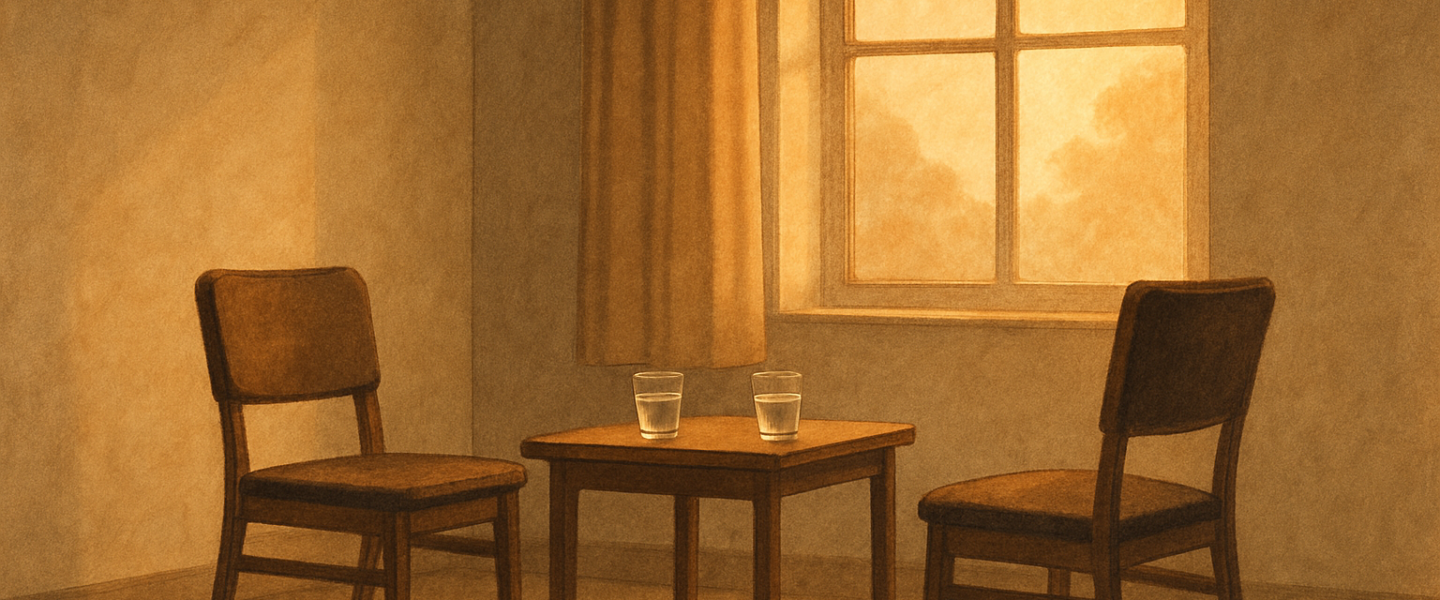
Before any dialogue happens, before anyone sits across a table and says the hard true thing, there is a stretch of time where almost nothing visible occurs. A facilitator meets separately with the person who was harmed. Then separately with the person who caused it. Questions get asked slowly, sometimes over weeks. Is this person ready. Do they understand what readiness even requires. Are they doing this because they want to, or because someone with authority over their case thinks it would look good.
That in-between space rarely makes it into policy documents or funding proposals, because it does not produce a measurable outcome on its own. But I have come to believe it is the actual engine of the whole practice. Everything else is just what happens once the waiting has done its work.
Why Rushing Toward Resolution Backfires
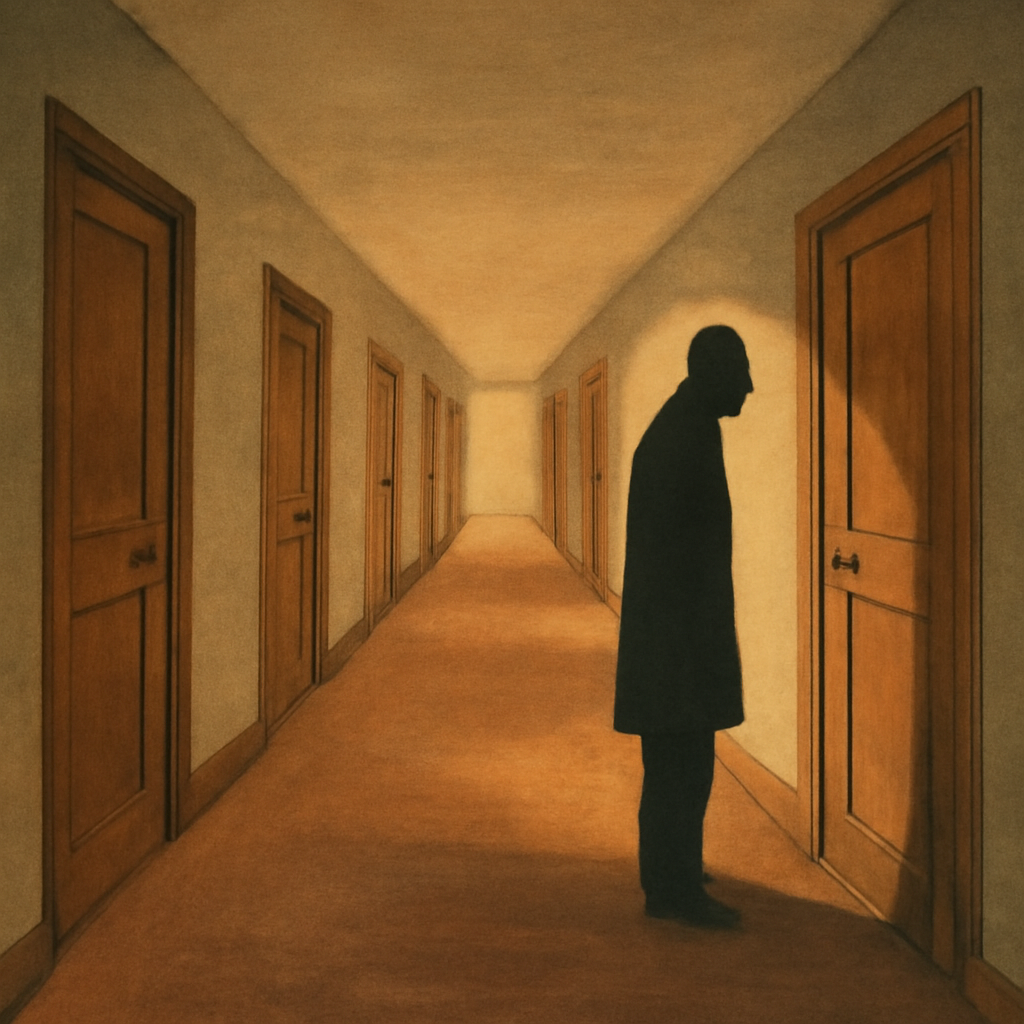
Conventional justice systems are built for speed, or at least for the appearance of forward motion. A case opens, moves through stages, closes. Delay is treated as a failure of the system rather than as something a person might genuinely need.
Restorative processes invert that instinct, and for good reason. An apology offered too early is usually not an apology at all. It is a performance aimed at ending an uncomfortable situation, and the person receiving it can almost always tell the difference. I have sat in on preparation meetings where someone insisted they were ready to face the person they harmed, only for a facilitator to gently ask a few more questions and discover that what they actually wanted was for the discomfort to be over, not for the other person to be heard.
The waiting period exists to separate those two things. It gives space for:
- Genuine accountability to form, rather than a scripted admission that satisfies a requirement
- The harmed person to decide on their own terms whether they want contact at all, without pressure dressed up as healing
- Facilitators to notice warning signs that a meeting could cause further harm rather than repair it
- Both parties to imagine the actual conversation, not just the relief of having it behind them
None of this is glamorous work. It does not photograph well. But skip it, and you get a room full of people performing resolution for an audience rather than reaching it for themselves.
What the Wait Asks of the Person Harmed
I want to be careful here, because there is a version of this conversation that puts too much of the burden back on the person who was hurt, as though their healing is a project they are responsible for completing on a schedule. That is not what I mean.
What I mean is something closer to permission. The waiting period, done well, repeatedly asks the harmed person whether this is still something they want, without making them feel they are letting anyone down by saying no. It treats their timeline as the one that matters, rather than a court calendar or a program’s completion rate. For some people, the answer to whether they want to meet the person who hurt them never becomes yes, and a good process holds that as a legitimate outcome rather than a missed opportunity.

What the Wait Asks of the Person Who Caused Harm
For the other party, the waiting period asks something harder than contrition. It asks for honesty about motive. Many people enter these processes hoping for a shortcut back to feeling okay about themselves, and the preparation work is partly about sitting with them in that discomfort long enough for something more durable to form underneath it.
This is slow, unglamorous labor, and it does not always succeed. Some people never get past wanting absolution faster than they are willing to earn it. A facilitator’s job in those cases is not to force the conversation forward but to recognize when it should not happen yet, or at all.
Why This Matters Beyond the Room
I bring this up not just as a procedural note but because I think our broader public conversations about justice could use more patience of this kind. We want policy fixes, sentencing changes, program outcomes we can cite in a single breath. Those things matter. But the actual work of repairing harm between people does not move at the speed of a policy cycle, and pretending otherwise sets everyone up for disappointment.
If there is one thing I would ask readers to take from these notes each week, it is this instinct to slow down before judging whether something is working. Restorative justice is not a faster path to resolution. It is often a slower one, built on the belief that what gets rushed rarely gets repaired.
That pause between harm and apology is not empty time. It is where the real work happens, quietly, before anyone is watching.